Robotic Process Automation (RPA) has emerged as one of the most transformative technologies for businesses seeking to improve efficiency and reduce operational costs. But what exactly is RPA, and why should your business consider implementing it?
Understanding RPA
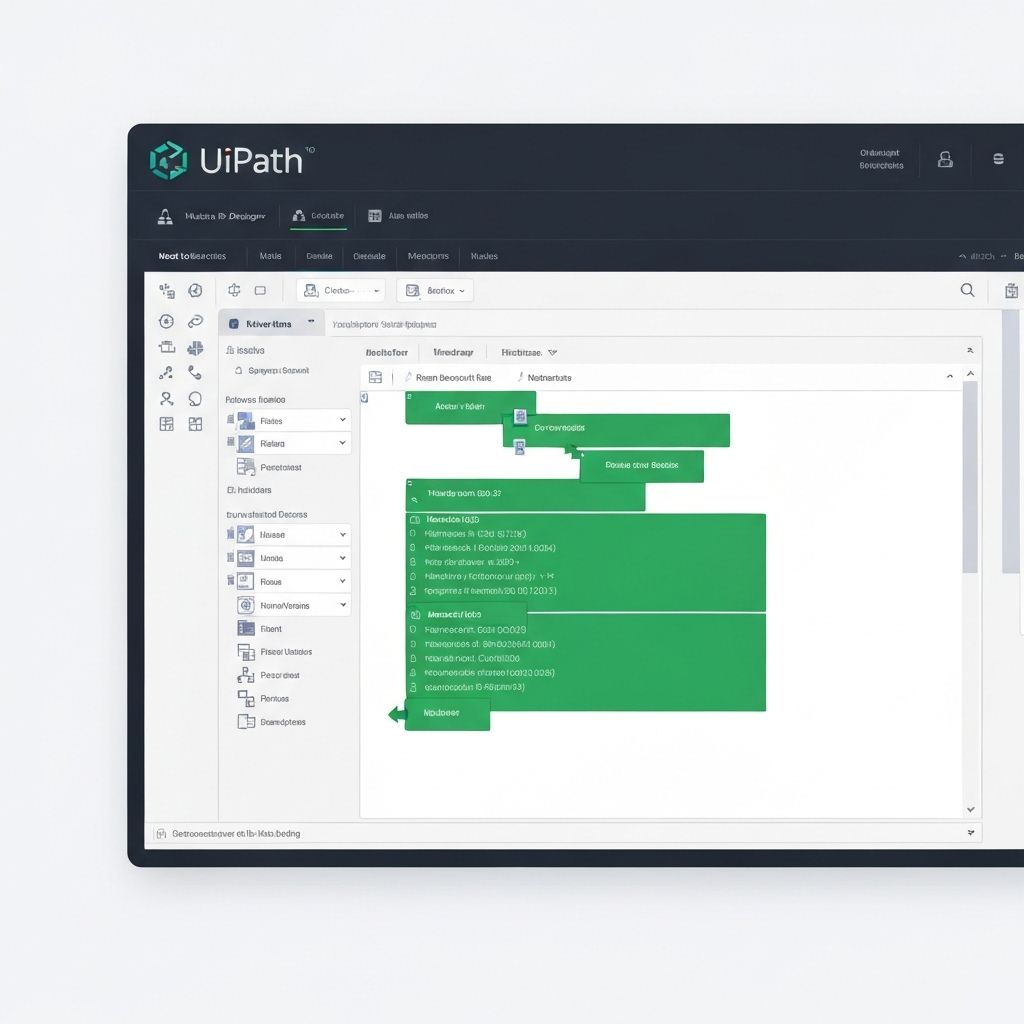
RPA is a technology that uses software robots or "bots" to automate repetitive, rule-based tasks that humans typically perform on computers. These bots can interact with applications, process data, trigger responses, and communicate with other systems—all without human intervention.
Key Benefits of RPA
1. Cost Reduction
RPA can reduce operational costs by 25-50% by automating manual processes. Bots work 24/7 without breaks, sick days, or vacations, providing continuous productivity.
2. Improved Accuracy
Human error is inevitable in repetitive tasks. RPA bots execute processes with 99.9% accuracy, eliminating costly mistakes and rework.
3. Enhanced Compliance
Every action performed by an RPA bot is logged and auditable, making compliance reporting straightforward and reducing regulatory risks.
4. Faster Processing
Bots can process transactions 5-10x faster than humans, dramatically reducing turnaround times and improving customer satisfaction.
5. Employee Satisfaction
By automating mundane tasks, employees can focus on meaningful, strategic work that requires human creativity and problem-solving.
Common RPA Use Cases
Is RPA Right for Your Business?
RPA is ideal for processes that are:
Getting Started with RPA
The journey to RPA adoption typically follows these steps:
1. **Process Assessment**: Identify high-value automation opportunities
2. **Proof of Concept**: Start with a pilot project to demonstrate value
3. **Implementation**: Deploy bots with proper testing and validation
4. **Scaling**: Expand automation across departments and processes
5. **Optimization**: Continuously improve and maintain your automation
The Future of RPA
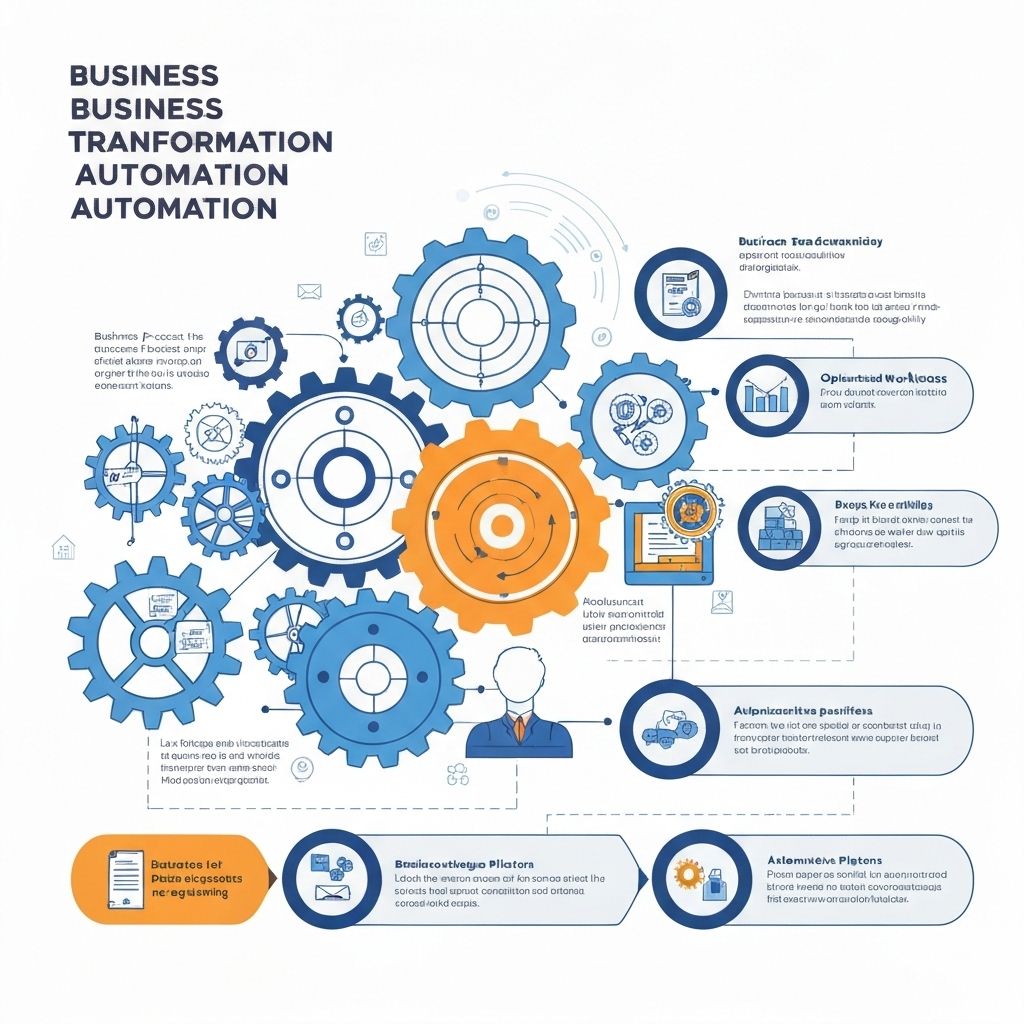
Modern RPA is evolving beyond simple task automation. With AI and machine learning integration, intelligent automation can now handle unstructured data, make decisions, and learn from experience. This convergence of RPA and AI is creating unprecedented opportunities for business transformation.
Conclusion
RPA is no longer a luxury—it's a necessity for businesses that want to remain competitive. Whether you're looking to reduce costs, improve accuracy, or free your team to focus on strategic initiatives, RPA offers a proven path to operational excellence.
Ready to explore how RPA can transform your business? Contact RPAverse today for a free automation assessment.